


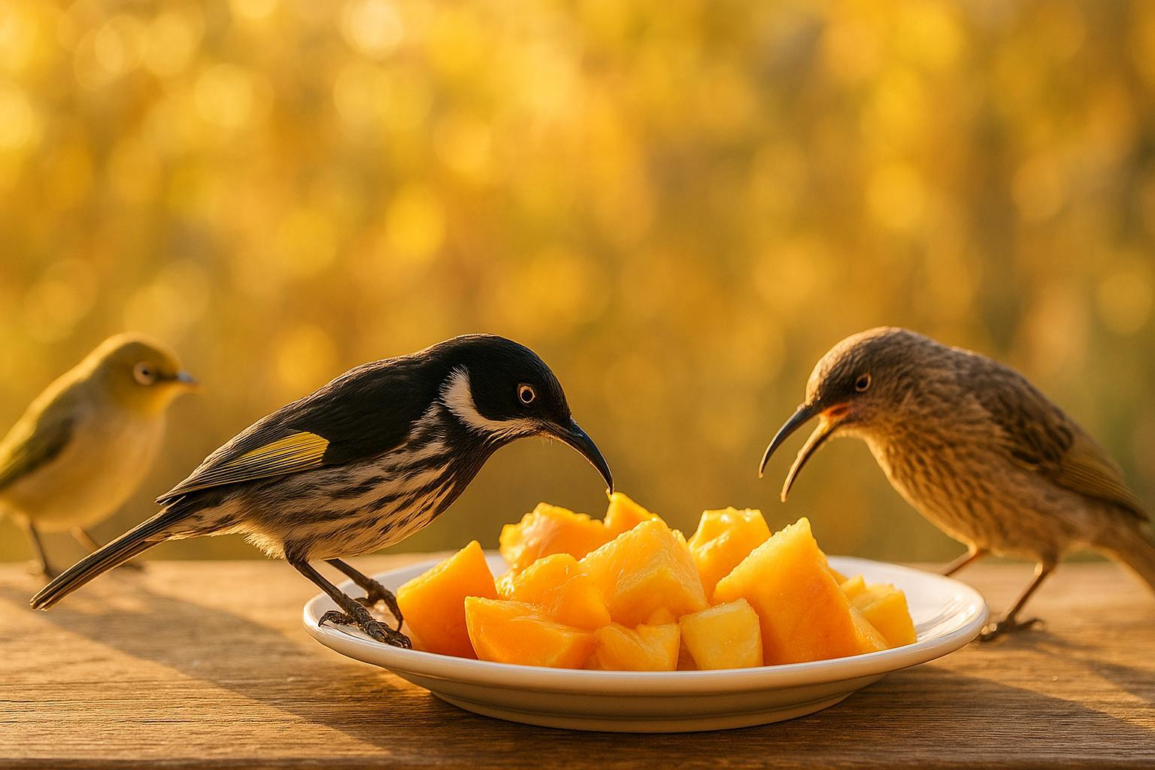
Birds that feast primarily on sugary diets have long intrigued scientists and bird enthusiasts alike. Among them, honeyeaters stand out for their remarkable ability to thrive on nectar and other high-sugar food sources that might otherwise seem nutritionally imbalanced. Recent research sheds light on the unique physiological and behavioral adaptations that enable honeyeaters and similar species to efficiently process sugars, maintain energy levels, and sustain their vibrant lifestyles. This article explores the latest findings on how these birds manage their sweet diets and what it reveals about their ecology and evolutionary success.
Table of Contents
- Adaptations That Enable Honeyeaters to Efficiently Process Sugary Nectar
- The Role of Specialized Beak and Tongue Structures in Sugar Foraging
- Balancing Sugar Intake with Essential Nutrients for Optimal Health
- Conservation Strategies to Support Nectar-Feeding Bird Populations
- Q&A
- The Way Forward
Adaptations That Enable Honeyeaters to Efficiently Process Sugary Nectar
Honeyeaters exhibit a fascinating suite of physiological adaptations that optimize their ability to extract and metabolize the sugar-rich nectar they consume. Their long, brush-tipped tongues, lined with fine, hair-like structures called papillae, enable efficient lapping and capillary action to draw nectar deep from flowers’ narrow tubes. This specialized feeding apparatus works in tandem with a highly sensitive taste system, allowing these birds to quickly assess nectar quality and energy content, guiding their foraging choices with remarkable precision.
On the metabolic front, honeyeaters possess an enhanced enzymatic toolkit designed to rapidly break down sucrose, glucose, and fructose — the primary sugars in nectar. Key enzymes, such as sucrase, are present in elevated levels within their digestive tracts, accelerating sugar hydrolysis and absorption. This rapid conversion process ensures a swift energy supply to support their energetic flight patterns and territorial behaviors. Below is a simplified overview of the digestive efficiency of honeyeaters compared to non-nectarivorous birds:
| Digestive Feature | Honeyeaters | Typical Insectivores |
|---|---|---|
| Sucrase Activity | High | Low |
| Sugar Absorption Speed | Rapid | Moderate |
| Metabolic Rate on Sugar Diet | Optimized | Suboptimal |
The Role of Specialized Beak and Tongue Structures in Sugar Foraging
Their ability to extract nectar with precision hinges on uniquely adapted beak and tongue structures, setting these birds apart as nature’s botanical specialists. The beaks of honeyeaters and similar species are often long, slender, and slightly curved, perfectly designed to reach deep into flowers where sugary nectar pools. Complementing this beak design is the tongue, which can be surprisingly intricate; many species feature brush-tipped or tubular tongues that are capable of soaking up nectar like a natural straw, enhancing the efficiency of foraging on sweet floral resources.
Key adaptations include:
- Brush-tipped tongues: Packed with hair-like filaments, these tongues allow for rapid absorption of nectar.
- Protrudable tongues: Extendable to probe deep into flowers, reaching nectar that is inaccessible to many other birds.
- Curved beaks: Optimize access to complex flower shapes, minimizing effort while maximizing nectar intake.
| Feature | Function | Benefit |
|---|---|---|
| Long, curved beak | Access narrow flower tubes | Improved nectar extraction |
| Brush-tipped tongue | Absorb and collect nectar | Efficient sugar intake |
| Extendable tongue | Reach deep nectar reserves | Exploits diverse floral sources |
Balancing Sugar Intake with Essential Nutrients for Optimal Health
While honeyeaters and many other nectarivorous birds subsist primarily on sugary diets, their natural behavior ensures a balanced intake of vital nutrients. These birds do not rely solely on nectar; they actively supplement their diets by foraging for insects, pollen, and even tree sap, sources rich in essential proteins, fats, and minerals. This dietary diversity helps maintain their metabolic functions and supports muscle activity necessary for their high-energy flight patterns. In essence, their survival strategy reveals an evolutionary adaptation that balances the overwhelming sugar content with nutrient-dense food items to maintain optimal health.
For humans aiming to emulate a balanced approach to sugar consumption, integrating essential nutrients alongside sugars is crucial. A dietary balance can be achieved by:
- Incorporating fiber-rich fruits and vegetables that slow sugar absorption and improve digestion.
- Consuming protein sources such as nuts or legumes to aid in tissue repair and blood sugar regulation.
- Adding healthy fats from avocados, seeds, or oily fish, which provide long-lasting energy and support nutrient absorption.
| Component | Role in Health | Example Sources |
|---|---|---|
| Proteins | Muscle repair and enzyme production | Insects, legumes, nuts |
| Fats | Energy storage and cell function | Seed oils, oily fish, avocados |
| Vitamins & Minerals | Immune system and metabolism support | Pollen, fruits, leafy greens |
Conservation Strategies to Support Nectar-Feeding Bird Populations
Creating and preserving habitats rich in native flowering plants forms the backbone of successful support for nectar-feeding birds. These plants provide a natural and consistent food source throughout varying seasons, allowing species like honeyeaters to thrive without the stress of food scarcity. Incorporating a mix of early, mid, and late-blooming flora ensures a year-round supply of nectar. Furthermore, minimizing pesticide use is critical as chemical exposure can harm both the birds and the insects they rely on for protein. Establishing buffer zones around feeding areas enhances safety and encourages natural behaviors, promoting healthy populations.
Strategies to enhance nectar availability and bird safety include:
- Planting diverse, nectar-rich native species adapted to local climates
- Maintaining water sources close to flowering plants for bird hydration
- Installing artificial nectar feeders during lean seasons, ensuring proper cleaning
- Creating predator-free corridors to aid safe movement between habitats
- Promoting community involvement and education on nectar bird conservation
| Strategy | Benefit | Implementation Tip |
|---|---|---|
| Native Plant Restoration | Reliable nectar source | Select species with staggered bloom periods |
| Pesticide Reduction | Improved bird and insect health | Adopt organic pest control alternatives |
| Artificial Feeders | Supplement food in scarcity | Clean feeders weekly to prevent disease |
| Predator Management | Safer feeding environments | Install mesh fencing around feeding zones |
Q&A
Q&A: Here’s how honeyeaters and other birds thrive on sugary diets
Q: What is the main focus of the article?
A: The article explores how honeyeaters and other bird species thrive on diets primarily composed of sugary substances such as nectar, detailing their physiological and behavioral adaptations.
Q: Which bird species are highlighted for their sugary diet?
A: The article highlights honeyeaters, a diverse group native to Australasia, along with other nectar-feeding birds such as hummingbirds and sunbirds.
Q: Why do honeyeaters consume sugary diets?
A: Honeyeaters consume sugary nectar because it provides a high-energy food source essential for their active lifestyles, including flight and foraging.
Q: How do these birds process the high sugar content efficiently?
A: These birds possess specialized metabolic adaptations allowing rapid absorption and utilization of sugars, along with efficient renal systems to manage excess fluids and maintain balance.
Q: Are there any unique behavioral traits linked to their diets?
A: Yes, honeyeaters and similar birds exhibit territorial behaviors around rich nectar sources and have evolved specialized beak shapes to access nectar efficiently.
Q: What ecological role do honeyeaters play due to their sugary diets?
A: Honeyeaters act as important pollinators for many flowering plants, facilitating plant reproduction while feeding on nectar.
Q: Does the article discuss any challenges these birds face on sugary diets?
A: The article mentions that despite the energy benefits, maintaining a balanced diet is crucial, and some species supplement nectar with insects to obtain protein and other nutrients.
Q: How does this research contribute to our understanding of bird ecology?
A: Understanding how birds thrive on sugary diets sheds light on their evolutionary adaptations, ecological interactions, and the importance of conserving their habitats for ecosystem health.
Q: What implications might this have for conservation efforts?
A: The findings emphasize the need to protect nectar-rich environments and native flora to sustain populations of honeyeaters and other nectar-feeding birds.
The Way Forward
In summary, the remarkable adaptations of honeyeaters and other nectar-feeding birds highlight the intricate balance between physiology and diet that allows them to thrive on sugary resources. Understanding these mechanisms not only sheds light on their ecological roles but also underscores the importance of preserving their natural habitats amid environmental changes. Continued research into these avian specialists will be crucial for informing conservation efforts and ensuring the sustainability of the delicate ecosystems they help sustain.