Why the US-Iran standoff still drives global business anxiety
The latest flare-up between Washington and Tehran is not simply a foreign-policy headline. It is a signal to markets, shipping companies, energy traders and governments that one of the world?s most dangerous pressure points is active again. Whenever the relationship between the United States and Iran tightens, businesses across the region and beyond have to revisit assumptions about transport costs, fuel prices and risk exposure.
That is because the conflict is not confined to diplomacy. It touches supply chains, insurance pricing and the confidence of firms that operate in or near the Middle East. A single warning, a troop deployment or a strong statement from either side can be enough to change expectations in the market. In 2026, that matters just as much as the military posturing itself.
Market impact on consumers and investors
For consumers, the first effect is often felt indirectly. Higher fuel or freight costs can feed into groceries, retail prices and transport bills before anyone notices the geopolitical source. For investors, the concern is broader: if risk climbs in a major energy corridor, that risk tends to ripple outward into commodities, equities and currency expectations.
Businesses that rely on long-haul shipping are especially vulnerable. They may not be in the line of fire, but they are still exposed to the cost of uncertainty. That can mean higher insurance premiums, tighter delivery planning and more conservative decisions on stock levels. Even when nothing dramatic happens, the fear of disruption can still raise expenses.
- Fuel and freight pricing can move quickly
- Shipping routes may need contingency planning
- Investor sentiment can turn defensive
- Consumer prices can rise even without direct conflict
Comparative analysis: why this echoes earlier Middle East crises
This is not the first time the region has been pushed into tension by a clash between Washington and Tehran. Earlier cycles of pressure showed a familiar pattern: strong language, limited direct engagement, and a long period in which every small incident carried outsized meaning. The current moment resembles that pattern because both sides are using public statements to shape the future negotiation environment.
The difference this time is the speed at which the market reacts. Modern trade networks are more connected, more brittle and more sensitive to sentiment than they were in past crises. A warning that once would have taken days to filter through the system can now alter pricing almost immediately.
What industry observers are likely to say
Analysts usually read these standoffs through three lenses. First, how likely is direct escalation? Second, how long can a stand-off continue before it forces economic costs? Third, what does the situation imply for regional stability over the next quarter? Those are the questions that matter to businesses trying to plan beyond the news cycle.
The cautious view is usually the most credible. Even if neither side wants a direct war, the possibility of miscalculation is enough to keep markets wary. In that sense, the event is less about a single dramatic move and more about a slow accumulation of pressure.
Why the language matters as much as the actions
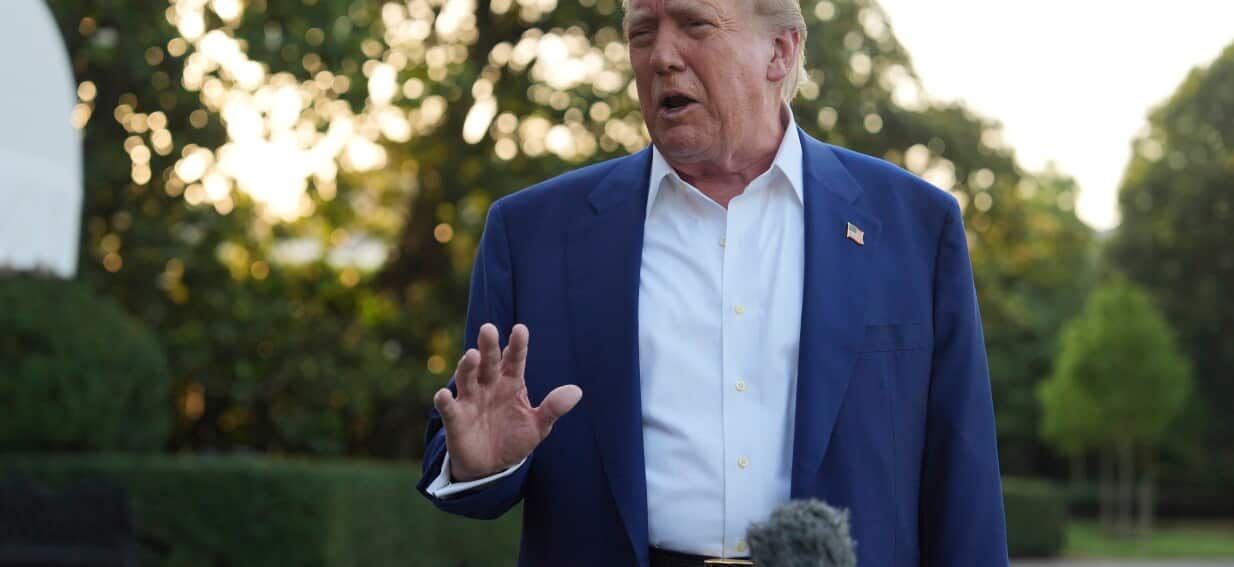
When Trump threatens destruction and Iran dismisses peace proposals as unrealistic, the words themselves become part of the strategic landscape. They tell allies how much support to expect and tell rivals how much room there is for compromise. That is why diplomatic language is never just talk in these situations. It is a tool for managing expectation.
For readers, the wider lesson is clear: geopolitical language can become economic reality very quickly. When one of the world?s key pressure points intensifies, the effects travel far beyond the region. That is why the story deserves close attention, not only as a matter of foreign policy, but as a business risk that can touch daily life in more places than most people realise.
In practical terms, the safest response for firms and investors is to assume volatility is not a one-day event. It is a planning condition.
What do you feel about this post?

Like

Love

Happy

Haha

Sad