

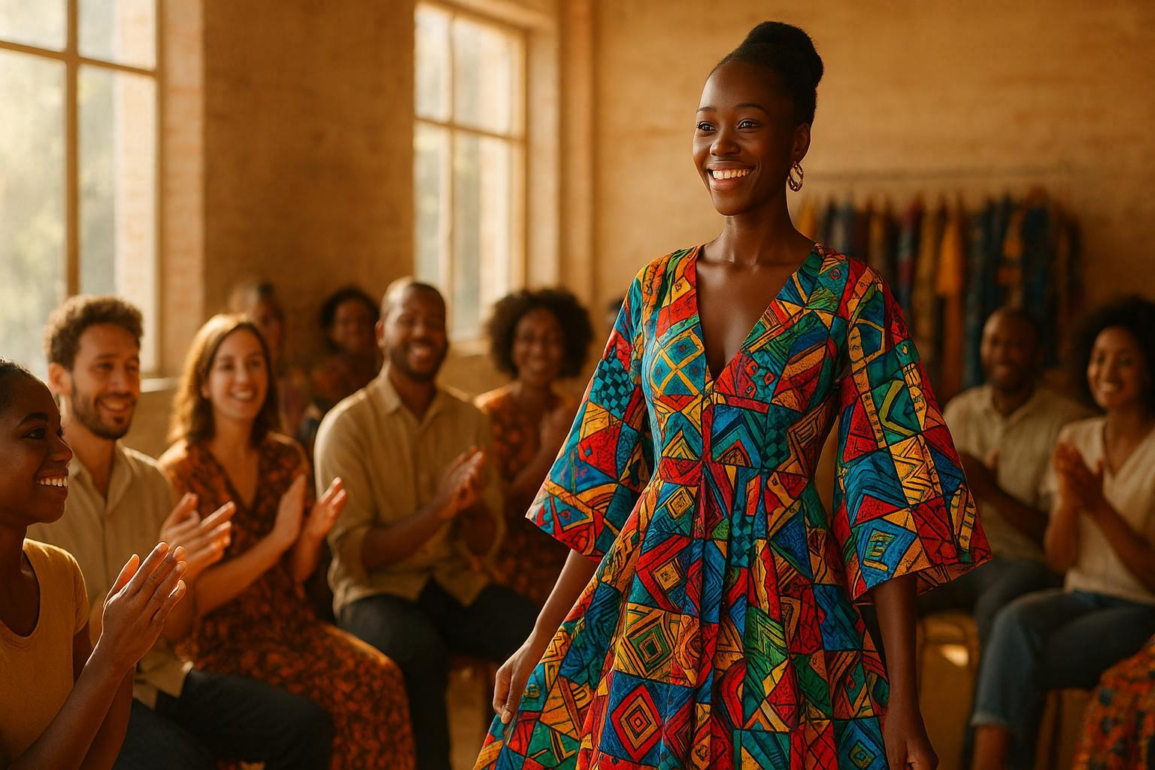
The Africa Fashion Tour is redefining global perceptions of African creativity by showcasing a vibrant and diverse array of contemporary designs that transcend traditional motifs like the boubou and wax prints. This groundbreaking initiative highlights the continent’s evolving fashion landscape, spotlighting innovative designers who blend heritage with modernity to tell new stories through fabric, form, and style. As African fashion takes center stage on the international runway, the Africa Fashion Tour is proving that the narrative of African creativity is far richer and more dynamic than previously imagined.
Table of Contents
- Expanding the Narrative of African Fashion Through Innovative Design
- Showcasing Emerging African Designers Who Challenge Stereotypes
- Integrating Traditional Techniques with Contemporary Fashion Trends
- Strategies for Global Fashion Industry to Embrace Diverse African Creativity
- Q&A
- Key Takeaways
Expanding the Narrative of African Fashion Through Innovative Design
Across the continent, designers are redefining African fashion by weaving tradition with contemporary influences, resulting in groundbreaking styles that challenge conventional stereotypes. Moving beyond the familiar boubou and wax prints, these creatives harness innovative textiles, cutting-edge tailoring, and diverse cultural symbols to craft collections that resonate globally. This wave of ingenuity not only preserves heritage but also positions Africa at the forefront of global fashion conversations. Emerging talents from Lagos to Johannesburg are pioneering new narratives through:
- Experimental fabric blends combining indigenous materials with futuristic textures
- Asymmetrical silhouettes that break from classic forms
- Eco-conscious methodologies promoting sustainability in production
- Cross-continental collaborations bridging African aesthetics with worldwide trends
To illustrate this dynamic shift, here is a comparative snapshot of traditional versus innovative African fashion attributes observed during the Africa Fashion Tour:
| Aspect | Traditional | Innovative |
|---|---|---|
| Fabric | Wax prints, cotton | Tech fibers, mixed-media blends |
| Silhouette | Flowing, loose | Sculpted, layered |
| Production | Handcrafted artisan techniques | 3D printing, sustainable tailoring |
| Inspiration | Folklore motifs, tribal symbols | Urban culture, digital art |
Showcasing Emerging African Designers Who Challenge Stereotypes
In a vibrant defiance of conventional African fashion tropes, a new cadre of designers is rising, determined to reframe the continent’s sartorial narrative. These creators embrace innovation, blending avant-garde techniques with indigenous motifs, proving that African fashion is not confined to traditional staples like boubou and wax prints alone. Their collections often incorporate sustainable materials and futuristic silhouettes, positioning Africa at the forefront of global design conversations rather than relegating it to a static, folkloric status.
Highlighted below are key attributes that set these trailblazers apart:
- Multidimensional aesthetics: Marrying contemporary art with cultural heritage.
- Technological integration: Incorporating 3D printing and smart textiles.
- Gender-fluid designs: Challenging rigid dress codes and embracing inclusivity.
- Sustainability focus: Championing eco-friendly production and ethical labor.
- Global collaborations: Partnering with international brands to amplify reach.
| Designer | Signature Element | Country | Innovation |
|---|---|---|---|
| Adjoa Asare | Modular garments | Ghana | Convertible outfits |
| Tahirah Conteh | Smart fabrics | Sierra Leone | Temperature regulation tech |
| Jules N’Dala | 3D printed accessories | Cameroon | Biodegradable materials |
| Simone Mwangi | Androgynous tailoring | Kenya | Zero-waste patterns |
Integrating Traditional Techniques with Contemporary Fashion Trends
Across Africa’s burgeoning fashion landscape, designers are boldly weaving indigenous craftsmanship into the fabric of modern style, effectively redefining the narrative of African creativity. The latest collections showcased on the Africa Fashion Tour reveal an innovative fusion where age-old techniques like hand embroidery, beadwork, and weaving harmonize with sleek, contemporary silhouettes and bold color palettes. This dynamic approach not only honors cultural heritage but also appeals to global markets seeking authenticity combined with cutting-edge design. Key techniques showcased include:
- Adire Tie-Dye: Revitalized with modern patterns and upscale textiles.
- Kente Weaving: Integrated into streetwear and evening gowns alike.
- Beadwork and Embroidery: Used to highlight structural elements on futuristic apparel.
The interplay between tradition and innovation is further exemplified in the way designers choose fabrics and finishes, blending sustainability with artistry. The chart below summarizes how traditional methods align with contemporary trends featured during the tour:
| Traditional Technique | Contemporary Application | Fashion Impact |
|---|---|---|
| Handwoven Textiles | Minimalist tailoring with rich textures | Heightened tactile appeal in formal wear |
| Indigo Dyeing | Monochrome capsule collections | Revived interest in monochrome aesthetics |
| Beaded Accents | Structural embellishments on outerwear | New dimension to urban luxury wear |
Strategies for Global Fashion Industry to Embrace Diverse African Creativity
To genuinely integrate Africa’s vast tapestry of fashion innovation into the global market, the industry must move beyond the typical reliance on boubou and wax prints. This requires a concerted effort to explore and promote the continent’s lesser-known designers who experiment with innovative textiles, sustainable practices, and avant-garde silhouettes. Collaboration with local artisans should be prioritized to elevate traditional craftsmanship into contemporary contexts, ensuring authenticity while creating new narratives that break stereotypical boundaries. Fashion capitals around the world can leverage platforms like the Africa Fashion Tour to discover fresh talent, diversify runway shows, and integrate African creativity into seasonal collections.
Building strategic partnerships that emphasize education, resource sharing, and investment strengthens the foundation for a truly inclusive fashion ecosystem. For instance, global brands diversifying their design teams by hiring African creatives, sponsoring incubator programs, and supporting textile innovation labs can bridge cultural gaps. The market response not only benefits from enriched design perspectives but also champions ethical fashion by supporting local economies. Below is a snapshot of impactful strategies gaining momentum:
- Design Residency Programs: Immersive residencies for African designers in international fashion hubs.
- Sustainable Material Innovation: Investing in indigenous fiber production and eco-friendly dyeing techniques.
- Digital Marketplaces: Showcasing African brands for global consumers to access directly.
- Cross-Continental Mentorships: Partnerships between established and emerging talents across continents.
| Strategy | Global Impact | African Benefit |
|---|---|---|
| Residency Programs | Fresh design perspectives | Expanded global exposure |
| Sustainable Innovation | Eco-conscious collections | Preservation of natural resources |
| Digital Marketplaces | Broadened consumer base | Direct revenue increase |
| Mentorships | Enhanced creative collaboration | Skill development |
Q&A
Q&A: Beyond Boubou and Wax Prints – Africa Fashion Tour Changes Perceptions of African Creativity
Q: What is the Africa Fashion Tour?
A: The Africa Fashion Tour is a curated fashion initiative that showcases contemporary African designers and creators, highlighting the diversity and innovation within the continent’s fashion industry. It aims to expand global understanding of African creativity beyond traditional stereotypes.
Q: How does the Africa Fashion Tour challenge conventional views of African fashion?
A: The Tour moves beyond the commonly recognized aesthetics of boubou garments and wax print fabrics, presenting a wide spectrum of styles, materials, and design philosophies. It emphasizes experimental designs, avant-garde creativity, and the integration of modern fashion trends with African cultural heritage.
Q: Which countries or regions are represented in the Africa Fashion Tour?
A: The Africa Fashion Tour features designers from multiple African regions including West, East, North, Southern, and Central Africa. This geographic diversity reflects the continent’s vast cultural richness and stylistic variety.
Q: What impact does the Africa Fashion Tour have on international perceptions of African fashion?
A: By spotlighting innovative designers and unconventional fashion expressions, the Africa Fashion Tour helps dismantle outdated and narrow perceptions of African fashion as solely traditional or folkloric. It promotes recognition of African fashion as dynamic, forward-thinking, and globally relevant.
Q: How are designers selected for the Africa Fashion Tour?
A: Designers are carefully selected based on their creativity, originality, and contribution to evolving the narrative of African fashion. The Tour seeks talent that pushes boundaries, incorporates sustainable practices, and reflects unique cultural perspectives.
Q: Has the Africa Fashion Tour influenced local African fashion industries?
A: Yes, the Tour has encouraged local designers to explore more experimental approaches and gain confidence in reaching global audiences. It also fosters collaboration and knowledge exchange within African fashion communities.
Q: What role do traditional textiles play in the collection showcased by the Africa Fashion Tour?
A: Traditional textiles are used innovatively rather than conventionally. Designers often reimagine classic fabrics, patterns, and techniques to create fresh silhouettes and textures, blending heritage with modern aesthetics.
Q: What future developments are anticipated for the Africa Fashion Tour?
A: The Africa Fashion Tour plans to expand its reach, incorporating digital platforms for wider accessibility, increasing partnerships with international fashion weeks, and enhancing mentorship programs to nurture emerging African talent.
Q: Why is it important to shift perceptions of African fashion through initiatives like the Africa Fashion Tour?
A: Changing perceptions helps foster greater cultural appreciation, economic opportunity, and creative expression. It enables African designers to be celebrated as innovators on the world stage, while encouraging audiences to see African creativity in a broader, more nuanced light.
Key Takeaways
As Africa Fashion Tour continues to showcase the continent’s diverse and innovative design landscape beyond traditional boubou and wax prints, it is reshaping global perceptions of African creativity. By highlighting emerging talents and contemporary aesthetics, the platform not only challenges stereotypes but also positions African fashion as a dynamic force in the global industry. This evolving narrative underscores the importance of celebrating Africa’s multifaceted cultural expressions and confirms that the future of fashion is undeniably inclusive and boundary-defying.