Fuel relief and the business cost of policy timing
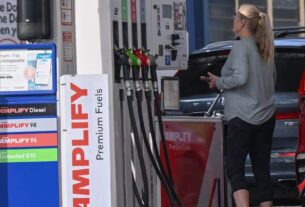
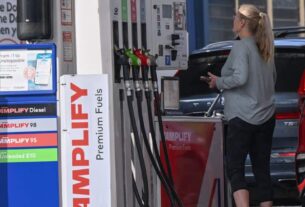
The debate around Australia?s fuel excise cut is not just a household story. It is a business story, because fuel is one of the clearest inputs that shapes logistics, freight, consumer confidence and broader cost expectations. When governments move on fuel, they are not only influencing drivers at the pump. They are shifting the operating environment for almost every company that moves goods or depends on transport.
That is why the current plan matters. A temporary cut can bring immediate relief, but it can also create a more complicated inflation picture if the market reads it as a policy move that keeps demand stronger for longer. Businesses then have to deal with the question that follows every relief measure: does the short-term help simply create a longer-term cost elsewhere?
Why businesses watch fuel policy so closely
For a retail chain, a manufacturer or a trucking company, fuel is rarely an isolated line item. It is tied to route planning, delivery schedules, staffing, procurement and pricing. A small change in the cost base can ripple through the rest of the business in ways that are hard to reverse quickly.
The fuel excise cut therefore operates as a signal. It tells companies something about government priorities, inflation management and consumer pressure. It also tells them whether they should expect more intervention or more volatility in the months ahead.
Market impact: consumers, investors and the pricing chain
For consumers, the immediate effect is obvious: a lower petrol bill can free up some cash. But the wider market impact is more complicated. If the policy pushes inflation expectations higher, households may not feel the full benefit because mortgage costs and credit conditions can still tighten. In other words, cheaper fuel can coexist with a more expensive economy.
For investors, the story is about how policy interacts with confidence. Energy-sensitive sectors, transport-linked businesses and consumer-facing retailers all watch these adjustments closely because they can change margin forecasts quickly. Markets dislike uncertainty, and temporary relief measures often create a fresh round of it once the political window closes.
That is why analysts tend to focus on second-order effects. A one-off cut does not stay one-off for long. It influences demand, pricing behaviour and central bank expectations, all of which shape business strategy.
Comparative analysis: relief measures often buy time, not resolution
This pattern is not new. Governments have used fuel-related relief before, and the results have usually been mixed. The short-term boost is real, but the long-term answer usually depends on whether the underlying inflation problem is also being addressed. When policy tries to soften pressure without fixing the source of the pressure, businesses end up planning for the next round of uncertainty.
That is where the comparison becomes useful. Relief measures tend to work best when they are paired with a credible path toward stability. When they are not, they can feel like a pause button rather than a solution. For companies, that means the safest assumption is often to treat the cut as temporary breathing space rather than a structural reset.
What industry observers are likely to say
Economists and business strategists generally look at this kind of measure through two lenses. First, does it help the people who need immediate support? Second, does it make the broader inflation problem harder to manage later? That tension explains why these policies are so controversial.
From a commercial standpoint, the cautious reading usually wins. Many analysts would argue that businesses should use the relief period to strengthen their own position rather than assume costs will stay low. That might mean locking in logistics contracts, reviewing pricing assumptions or building contingency into budgets.
What firms should be doing now
- Review freight and distribution expenses for the next quarter
- Stress-test pricing against a return to higher fuel costs
- Watch inflation commentary and rate expectations closely
- Use the temporary relief to improve margins, not to relax planning discipline
The deeper lesson is that fuel policy is one of the most practical examples of how government action reaches daily business life. It affects the cost of moving goods, the mood of consumers and the way investors read the economy.
If the cut works as intended, it may offer short-term relief and a modest lift in confidence. If it feeds inflation concerns, the relief may be quickly offset by tougher financial conditions. That is the trade-off at the centre of the story, and it is why businesses are paying attention.
In the end, the best business response is not optimism or alarm. It is preparation.
What do you feel about this post?

Like

Love

Happy

Haha

Sad