


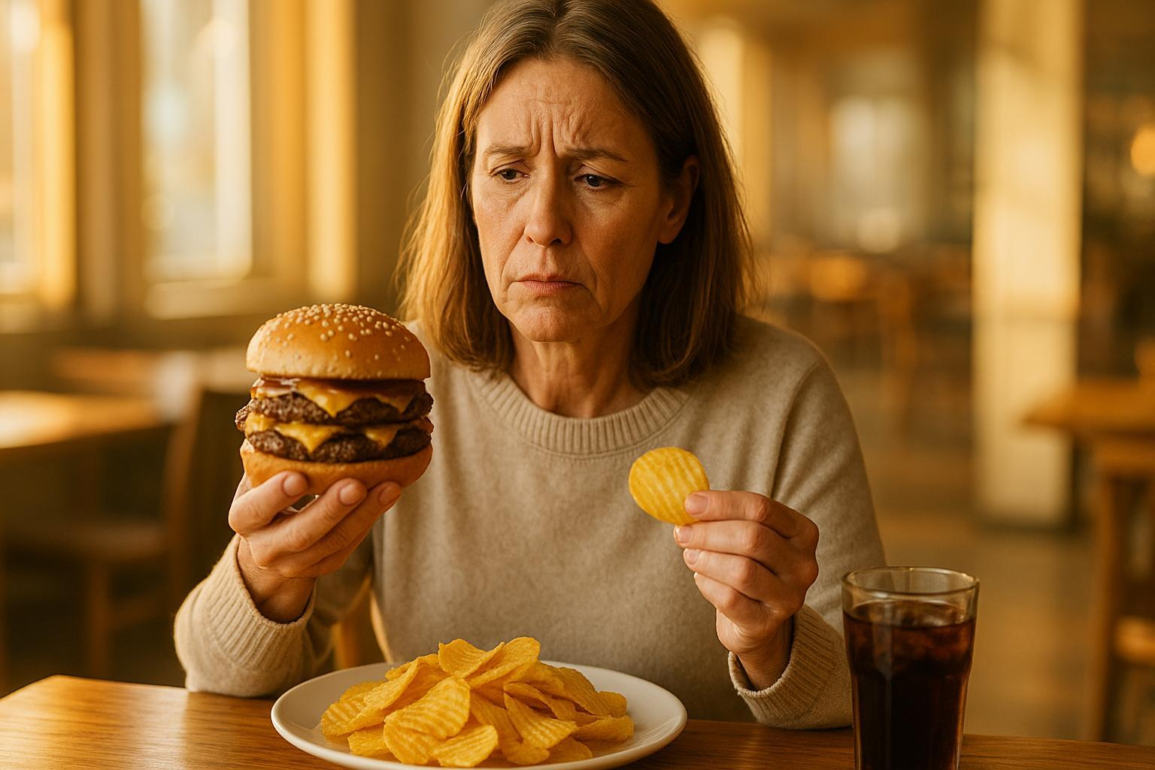
A growing body of scientific research suggests that ultra-processed foods—commonly found in ready-to-eat meals, snacks, and sugary beverages—may have more than just immediate health consequences. Recent studies indicate that diets high in these industrially formulated products could accelerate the aging process at a cellular level, potentially increasing the risk of chronic diseases and premature decline. As concerns mount over the global rise in consumption of ultra-processed foods, experts are urging consumers and policymakers to reevaluate dietary choices to promote long-term health and longevity.
Table of Contents
- Impact of Ultra-Processed Foods on Cellular Aging and Longevity
- The Role of Additives and Preservatives in Accelerating Biological Wear
- Linking Diet Quality to Inflammation and Age-Related Diseases
- Practical Dietary Changes to Slow Aging and Improve Long-Term Health
- Q&A
- In Summary
Impact of Ultra-Processed Foods on Cellular Aging and Longevity
Emerging research reveals a troubling connection between the consumption of ultra-processed foods and accelerated cellular aging. These foods, often rich in additives, preservatives, and artificial ingredients, contribute to increased oxidative stress and inflammation at the cellular level. Over time, this can lead to telomere shortening—an established marker of biological aging—thereby reducing the body’s capacity to repair and regenerate tissues effectively. The high glycemic load and trans fats commonly found in ultra-processed products further exacerbate metabolic dysfunction, creating a cellular environment that promotes premature senescence.
Key factors linked to the impact of ultra-processed foods on cellular aging include:
- Inflammatory responses: Triggered by additives and refined sugars, leading to chronic low-grade inflammation.
- Disrupted mitochondrial function: Resulting in decreased energy production and increased free radical generation.
- Imbalanced gut microbiota: Negatively affecting nutrient absorption and immune regulation.
| Cellular Marker | Effect of Ultra-Processed Foods | Long-Term Risk |
|---|---|---|
| Telomere Length | Accelerated shortening | Reduced lifespan, early aging |
| Oxidative Stress | Elevated levels | DNA damage, cell dysfunction |
| Inflammation Markers | Chronic activation | Increased disease susceptibility |
The Role of Additives and Preservatives in Accelerating Biological Wear
Modern ultra-processed foods frequently contain a cocktail of additives and preservatives, designed to enhance flavor, texture, and shelf life. However, these compounds may have unintended consequences on our body’s aging process. Scientific studies suggest that certain food additives can trigger oxidative stress and inflammation at the cellular level, accelerating the breakdown of critical proteins and DNA. For example, preservatives like sodium nitrite and artificial antioxidants, while effective in preventing spoilage, have been linked to increased production of free radicals, contributing to the degradation of skin elasticity and other signs of premature aging.
The impact of these substances extends beyond visible aging; they can disrupt metabolic pathways and impair cellular repair mechanisms. Below is an overview of common additives and their suspected roles in biological wear:
- Sodium nitrites: Promote oxidative damage in blood vessels and skin cells.
- Artificial sweeteners: May alter gut microbiota, influencing systemic inflammation.
- Monosodium glutamate (MSG): Linked to mitochondrial dysfunction, affecting energy production.
- Butylated hydroxytoluene (BHT): Potentially disrupts hormone balance and antioxidant defenses.
| Additive | Common Uses | Biological Impact |
|---|---|---|
| Sodium Nitrites | Meat Preservation | Oxidative Stress |
| Artificial Sweeteners | Low-Calorie Foods | Inflammation |
| MSG | Flavor Enhancer | Cellular Dysfunction |
| BHT | Antioxidant Additive | Hormone Disruption |
Linking Diet Quality to Inflammation and Age-Related Diseases
Chronic low-grade inflammation is increasingly recognized as a key driver behind many age-related diseases, including cardiovascular conditions, diabetes, and neurodegenerative disorders. Diet quality plays a pivotal role in modulating this inflammatory response. Diets high in fruits, vegetables, whole grains, and healthy fats provide essential antioxidants and anti-inflammatory compounds that help keep inflammation in check. In stark contrast, ultra-processed foods, often laden with refined sugars, unhealthy fats, and artificial additives, can amplify systemic inflammation, hastening cellular aging and contributing to the progression of chronic illnesses.
Research highlights several dietary factors linked to inflammatory status:
- Excessive sugar intake: Promotes inflammatory markers like C-reactive protein (CRP).
- Trans fats: Found in many processed snacks, these fats increase pro-inflammatory cytokines.
- Lack of fiber: Diminishes gut health, disrupting the microbiome and elevating inflammation.
Consider the impact through this simplified overview of dietary components and their effects on inflammation:
| Dietary Component | Effect on Inflammation | Source Examples |
|---|---|---|
| Antioxidants | Reduce oxidative stress | Berries, spinach, nuts |
| Refined Sugars | Increase inflammatory markers | Sodas, pastries |
| Omega-3 Fatty Acids | Anti-inflammatory | Fatty fish, flaxseeds |
| Trans Fats | Promote chronic inflammation | Fried fast food, margarine |
Practical Dietary Changes to Slow Aging and Improve Long-Term Health
Replacing ultra-processed foods with nutrient-dense whole ingredients can have a profound effect on your body’s aging process. Focus on incorporating more fresh fruits, vegetables, lean proteins, and whole grains into your daily meals. These foods supply essential antioxidants, vitamins, and minerals that combat oxidative stress and inflammation—two key drivers of cellular aging. Additionally, adopting a Mediterranean-style diet rich in healthy fats such as olive oil and nuts supports cardiovascular health, enhances brain function, and promotes longevity.
For practical implementation, consider the following strategies to transition your diet:
- Meal Prep: Prepare balanced meals ahead of time to reduce temptation of processed snacks.
- Read Labels: Avoid products with long ingredient lists and additives like artificial sweeteners and preservatives.
- Hydrate Smartly: Opt for water, herbal teas, and natural fruit infusions instead of sugary beverages.
- Mindful Snacking: Choose nuts, seeds, or fresh produce instead of packaged chips or candy.
| Food Type | Effect on Aging | Recommended Frequency |
|---|---|---|
| Fresh Vegetables | Reduces inflammation | Daily |
| Processed Meat | Increases oxidative stress | Limit |
| Whole Grains | Improves metabolism | Several times/week |
| Sugary Beverages | Accelerates aging | Avoid |
Q&A
Q&A: Ultra-Processed Foods Could Be Making You Age Faster
Q1: What are ultra-processed foods?
A1: Ultra-processed foods are industrial formulations typically made from substances extracted or refined from foods, along with additives such as preservatives, sweeteners, and artificial flavors. Examples include soft drinks, packaged snacks, sugary cereals, and ready-to-eat meals.
Q2: How might ultra-processed foods contribute to faster aging?
A2: Recent studies suggest that diets high in ultra-processed foods are linked to increased markers of biological aging. These foods often contain high levels of sugar, unhealthy fats, and additives that can promote inflammation and oxidative stress, factors known to accelerate cellular aging.
Q3: What evidence supports the connection between ultra-processed foods and accelerated aging?
A3: Scientific research involving blood markers, telomere length, and epigenetic analyses has shown that individuals consuming large amounts of ultra-processed foods exhibit signs of faster biological aging compared to those with diets rich in whole, minimally processed foods.
Q4: Are there specific health risks associated with consuming ultra-processed foods beyond aging?
A4: Yes. High consumption of ultra-processed foods has been linked to obesity, cardiovascular disease, type 2 diabetes, and certain cancers, underscoring the broader health risks associated with these dietary choices.
Q5: What dietary recommendations can help mitigate the effects of ultra-processed foods on aging?
A5: Experts recommend focusing on a balanced diet rich in whole foods such as fruits, vegetables, whole grains, lean proteins, and healthy fats while limiting intake of ultra-processed products. This approach supports overall health and may slow biological aging processes.
Q6: Can moderate consumption of ultra-processed foods still pose a risk?
A6: While occasional consumption is unlikely to cause significant harm, consistently high intake of ultra-processed foods is associated with negative health outcomes. Moderation, combined with a nutrient-dense diet, is key to minimizing potential risks.
Q7: What further research is needed in this area?
A7: Ongoing studies are required to better understand the mechanisms linking ultra-processed foods to aging and to identify effective dietary interventions that can counteract these effects over the long term.
In Summary
As research continues to shed light on the impact of diet on aging, the evidence linking ultra-processed foods to accelerated aging presents a growing public health concern. While further studies are needed to fully understand the mechanisms involved, reducing consumption of highly processed products may prove to be a practical step toward promoting healthier, longer lives. Consumers, healthcare providers, and policymakers alike are encouraged to consider these findings when making dietary recommendations and regulations aimed at improving overall well-being.